#1
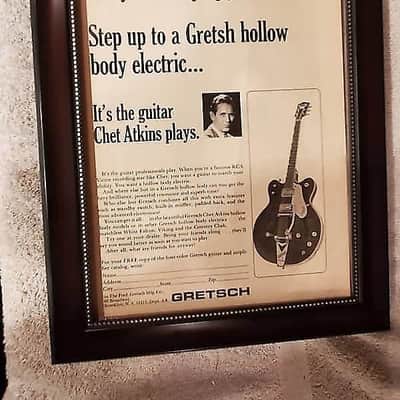
Gretsch G6120T-55 Vintage Select Nashville
Classic Gretsch hollowbody (professional tier) · Full hollow thinline, TV Jones Classics Filter-Tron pickups, Bigsby B6 vibrato, 24.6-inch scale, Single Florentine cutaway, orange stain finish$2,500–$3,000 new / $1,700–$2,400 usedBest for: Definitive rockabilly guitar, Brian Setzer and Chet Atkins tone, TV Jones Filter-Tron pickups for authentic vintage Gretsch character, professional stage performance
The Gretsch Vintage Select Nashville is the professional rockabilly guitar — TV Jones Classic Filter-Tron pickups (the standard upgrade for professional Gretsch players) produce the chimey, bright, bell-like twang that defines rockabilly guitar tone from the 1950s through the present. Brian Setzer and the Stray Cats established this as the rockabilly sound. The Bigsby B6 vibrato provides the pitch-wobble used in classic rockabilly technique. Used at $1,700–$2,400.
What to check used: The Gretsch Vintage Select at $1,700+ is a professional investment. Full hollowbody construction limits high-gain use (feedback occurs at high volumes without acoustic dampening). Rockabilly is typically played clean or with light overdrive — the hollowbody construction is specifically appropriate for this style.
#2
Gretsch G5420T Electromatic Hollowbody
Mid-range Gretsch hollowbody (accessible rockabilly entry) · Full hollow thinline, 2 Broad-tron humbuckers, Bigsby B60 vibrato, 24.6-inch scale, Electromatic quality$700–$800 new / $480–$650 usedBest for: Accessible Gretsch rockabilly aesthetics, Bigsby vibrato for technique, hollowbody tone for classic rockabilly, significant step below 6120 price
The Gretsch G5420T is the accessible entry into Gretsch rockabilly guitars — full hollow thinline construction with a Bigsby B60 vibrato at $480–$650 used. The Broad-tron pickups are an improvement over earlier Electromatic pickups and approach the chimey Filter-Tron character without matching it exactly. For players who want Gretsch hollowbody tone and Bigsby vibrato at mid-range prices, the G5420T is the recommendation. Used at $480–$650.
What to check used: The Broad-tron pickups on the G5420T do not produce the same tone as the TV Jones Filter-Trons on the Vintage Select or professional series — the character is good but different. Players who specifically want the authentic Filter-Tron twang should either budget for the professional Gretsch line or install TV Jones Classic pickups ($200 per pair, luthier installation) in the G5420T as an upgrade.
#3
Eastman T59V
Affordable hollowbody with vintage character · Thinline hollowbody, floating pickups, archtop construction, Eastman craftsmanship, vintage-inspired aesthetics$900–$1,100 new / $650–$880 usedBest for: Vintage hollowbody character for rockabilly and jazz, floating pickup configuration, Eastman quality at mid-range, Eastern European craftsmanship
The Eastman T59V is the vintage-style hollowbody alternative to Gretsch — floating pickups (attached to the end of the fingerboard rather than screwed to the top) produce the traditional archtop character preferred by jazz and classic rockabilly players. Eastman quality is consistently excellent for the price. For players who want vintage hollowbody character different from Gretsch, the Eastman T59V provides it. Used at $650–$880.
What to check used: Floating pickups require specific setup and adjustment techniques — pickup height affects both tone and volume and is adjusted at the pickup itself rather than with screws on the guitar body. The floating pickup configuration is traditional but requires slightly more knowledge than standard body-mounted pickups.
#4
Duesenberg Starplayer TV
German-made retro hollowbody (luxury tier) · Semi-hollow thinline, Duesenberg P90 and humbucker combination, tremola vibrato, German design and craftsmanship, distinctive retro aesthetics$1,800–$2,200 new / $1,200–$1,800 usedBest for: Premium retro-inspired hollowbody with German craftsmanship, Duesenberg aesthetics for rockabilly and alternative rock, semi-hollow feedback resistance
The Duesenberg Starplayer TV is a German-designed premium semi-hollow guitar with retro aesthetics that suit rockabilly and vintage-inspired playing. The combination of P-90 and humbucker pickups provides tonal range from clean twang to moderate overdrive. Duesenberg's design details (the Tremola vibrato, the distinctive headstock, the retro body shape) are specifically appealing to players who want a distinctive look on stage. Used at $1,200–$1,800.
What to check used: Duesenberg is a German boutique brand with limited dealer availability in the US — primarily sold through specialty dealers. The price reflects European craftsmanship and design quality. Less well-known than Gretsch in rockabilly contexts but increasingly popular in European rockabilly and alternative scenes.
#5
D'Angelico Excel SS
Semi-hollow with vintage aesthetics · Semi-hollow, 2 Seymour Duncan Custom pickups, Stopbar vibrato tailpiece, archtop-inspired headstock, New York heritage branding$1,500–$1,700 new / $1,000–$1,400 usedBest for: Art Deco aesthetics for rockabilly and jazz, Seymour Duncan clarity, semi-hollow feedback resistance, New York vintage guitar heritage
The D'Angelico Excel SS is a semi-hollow guitar with the distinctive Art Deco-inspired aesthetic of the D'Angelico brand (founded in New York in 1932). The Seymour Duncan Custom pickups provide clear, warm tone for rockabilly to jazz. The semi-hollow construction reduces the feedback risk of full hollowbodies. For players who want vintage New York aesthetics with quality construction and reduced feedback, the Excel SS is the recommendation. Used at $1,000–$1,400.
What to check used: D'Angelico current production is made in South Korea — the New York heritage is in the name and design only; the instruments are not American-made. The quality is excellent at the price but the provenance history should be transparent. Players who specifically want American-made instruments should consider Collings or Heritage instead.
#6
Epiphone Casino Thinline
Fully hollow P-90 (rockabilly and British beat) · Fully hollow thinline, 2 P-90 Dogear pickups, vibrato tailpiece, single Florentine cutaway, Casino heritage$450–$550 new / $300–$420 usedBest for: British-invasion-era rockabilly and beat music, P-90 bite and character, historically significant instrument (Beatles-associated), fully hollow twang
The Epiphone Casino is an excellent rockabilly choice — fully hollow construction, P-90 pickups with bright, biting character, and a vibrato tailpiece provide the core tools for rockabilly playing. The Casino's heritage (Lennon and McCartney used them on late Beatles recordings) gives it credibility in rockabilly contexts. For players who prefer P-90 bite over the Filter-Tron chime of Gretsch, the Casino is the recommendation. Used at $300–$420.
What to check used: P-90 pickups produce 60-cycle hum (more than humbuckers). At high volume with fluorescent lighting or near electrical interference, the hum is noticeable. This is inherent to P-90 pickup design and is expected for vintage-style single-coil-like instruments. The Casino also feeds back at high gain levels — appropriate only for clean-to-light-overdrive rockabilly playing.
#7
Squier Classic Vibe 50s Stratocaster
Budget entry into vintage single-coil (rockabilly compatible) · Alder body, maple neck, 3 Fender-designed alnico single-coil pickups, synchronized tremolo, 21 vintage frets$350–$400 new / $220–$290 usedBest for: Budget rockabilly entry, Stratocaster single-coil character for early rockabilly styles, affordable vintage-style electric
The Squier Classic Vibe 50s Stratocaster is listed as the budget rockabilly option — while Gretsch and Telecaster instruments are the canonical rockabilly guitars, early rockabilly players also used Stratocasters (Buddy Holly, notably). The Classic Vibe's Fender-designed Alnico pickups produce single-coil twang appropriate for rockabilly rhythms and lead. For players who want to explore rockabilly on a minimal budget, the Classic Vibe Strat is a valid starting point. Used at $220–$290.
What to check used: The Stratocaster is not the canonical rockabilly guitar — the Gretsch hollowbody and Fender Telecaster are the instruments most associated with the genre. The Strat is included as a budget option for exploring the style, but players who commit to rockabilly should upgrade to a hollowbody (Gretsch, Epiphone Casino) for the authentic tone.
#8
Gretsch G2420T Streamliner
Budget Gretsch hollowbody with Bigsby · Full hollow thinline, 2 Broad-tron humbuckers, Bigsby-style vibrato, single cutaway, vintage Gretsch styling$420–$480 new / $290–$380 usedBest for: Most affordable Gretsch hollowbody with Bigsby vibrato, entry into Gretsch rockabilly aesthetics, Streamliner quality
The Gretsch G2420T Streamliner is the lowest-priced Gretsch hollowbody with a Bigsby vibrato — the essential combination for classic rockabilly playing. The Broad-tron pickups and full hollow construction provide approximate Gretsch character at the most accessible price. For players who want the Gretsch hollowbody + Bigsby combination to start their rockabilly journey without the Electromatic price, the G2420T is the entry. Used at $290–$380.
What to check used: The Streamliner series represents the lowest tier of Gretsch quality — the Broad-tron pickups on the G2420T are different from the Filter-Trons on professional Gretsch instruments. The tone is 'Gretsch-ish' rather than authentic Gretsch. For serious rockabilly players, the G5420T (Electromatic) or higher is recommended. The G2420T is appropriate for casual exploration.