#1
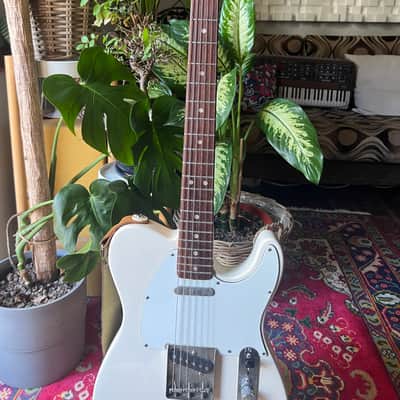
Fender Telecaster
Best rhythm guitar · Solid body, single coils, bright articulate tone$350–$480 usedBest for: Rhythm playing across all genres — rock, country, funk, indie with note separation
The Fender Telecaster is arguably the definitive rhythm guitar. The bright, cutting tone cuts through a band mix, and the two single-coil pickups respond dynamically to pick attack and chord voicing changes. The body resonance produces natural acoustic-like character in electric form. From Keith Richards (Rolling Stones) to modern indie rockers, the Telecaster is the rhythm workhorse. Bridge pickup sits slightly back, allowing the neck pickup to control low-end character.
#2
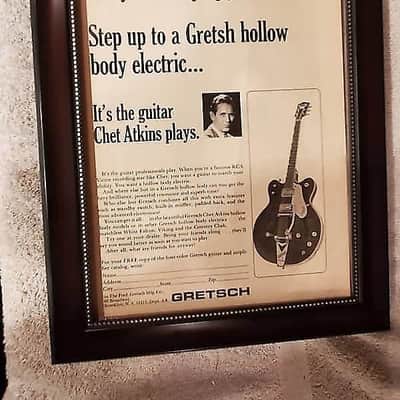
Gretsch G5622T Electromatic
Warm semi-hollow rhythm · Semi-hollow body, FilterTron pickups, vintage jangle$600–$820 usedBest for: Rhythm with warmth and resonance — country, indie, psychedelic, sixties revivalism
The Gretsch G5622T is the ultimate rhythm guitar for players seeking warmth and jangle. The semi-hollow body produces natural resonance and feedback control that solid-body guitars cannot match. Gretsch FilterTron pickups are warm and articulate — each chord rings out with character. Used by the Everly Brothers, Chet Atkins, and modern indie rockers (The Strokes, Brian Molko of Placebo), the Gretsch rhythm tone is universally recognizable.
#3
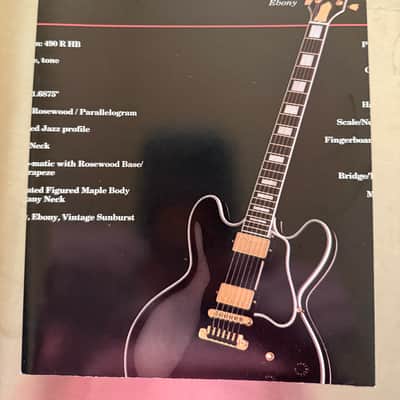
Gibson ES-335
Iconic semi-hollow rhythm · Semi-hollow body, dual humbuckers, warm thick tone$1,800–$2,400 usedBest for: Professional semi-hollow rhythm — jazz, blues, rock with thick chord texture
The Gibson ES-335 is the gold standard of semi-hollow body guitars. The dual humbuckers produce thick, warm tones perfect for blues shuffle, jazz chord comping, and rock rhythm riffs. The semi-hollow body design reduces feedback while maintaining resonance and character. The ES-335 is an investment-grade instrument used across genres by professionals. If budget allows, it is the ultimate rhythm guitar.
#4
PRS SE Custom 24
Versatile rhythm platform · Solid body, dual humbuckers, excellent playability$400–$560 usedBest for: Rhythm with professional playability — rock, alternative, modern genres
The PRS SE Custom 24 is a solid all-rounder designed for comfort and responsiveness. The dual humbuckers produce warm, thick rhythm tones, and the 24-fret neck allows occasional lead work without a different guitar. The body ergonomics are optimized for strumming endurance. Excellent for players who want rhythm focus but occasional lead flexibility.
#5
Fender Jazzmaster
Alternative rhythm character · Offset body, single coils, bright articulate alternative tone$400–$560 usedBest for: Rhythm with alternative aesthetic — indie rock, shoegaze, experimental
The Fender Jazzmaster has an offset body and bright single-coil tone different from Strats and Teles. The unique tonal character and alternative aesthetic make it popular with indie and shoegaze players (J Mascis, Kevin Shields). The single-coil brightness is articulate for chord strumming, and the vibrato system allows subtle tone manipulation. For rhythm players seeking distinctive character, the Jazzmaster is compelling.
#6
Rickenbacker 360
Jangly rhythm legend · Semi-hollow body, dual pickups, iconic 1960s jangle tone$1,800–$2,400 usedBest for: Rhythm with historical gravitas — 1960s British Invasion, jangly indie, folk-rock
Rickenbacker guitars are inseparable from 1960s rhythm playing — The Beatles (George Harrison), Tom Petty, and countless indie bands use Rickenbackers for their distinctive jangly, ringing chord tone. The dual-pickup configuration produces thick, articulate rhythm tones. The 360 is semi-hollow with a unique body shape and character. Expensive new; used 360s represent investment-grade rhythm instruments.
#7
Gretsch G2622 Streamliner
Budget Gretsch rhythm · Semi-hollow body, FilterTron pickups, affordable entry$350–$500 usedBest for: Gretsch rhythm tone on a budget — country, indie, modern with vintage character
The Gretsch G2622 Streamliner brings the iconic Gretsch FilterTron warmth and semi-hollow resonance at 40% of the vintage Gretsch price. The FilterTron pickups produce warm, jangly rhythm tones. The semi-hollow body design gives resonance and character. An excellent choice for rhythm players who want Gretsch aesthetics and tone without the premium price or finding a vintage Gretsch.