#1
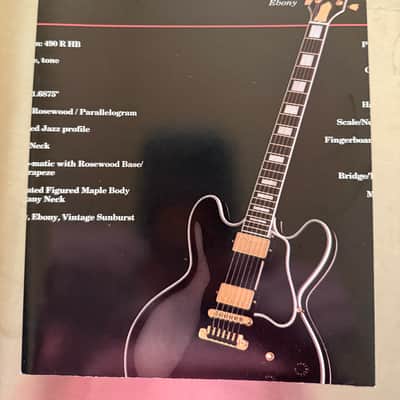
Gibson ES-335
Classic gospel semi-hollow (Chicago gospel and soul gospel standard) · Semi-hollow, 2 humbuckers, 24.75-inch scale, warm acoustic resonance, dual Florentine cutaway$2,200–$3,000 usedBest for: Traditional gospel and soul gospel rhythm and lead, semi-hollow warmth for gospel chord voicings, smooth single-note gospel lead through clean amplification, church sanctuary acoustic warmth
The Gibson ES-335 is the foundational gospel guitar — the Chicago blues and soul gospel tradition from which gospel music grew used ES-335-style semi-hollow guitars for their warm, smooth character that complements the human voice in worship settings. The semi-hollow construction produces natural acoustic warmth that sits well under gospel choir and piano accompaniment. The warm, sustained single-note lead tone suits the expressive, vocally-influenced guitar playing central to gospel. Used at $2,200–$3,000.
What to check used: The Gibson ES-335 is a premium investment. The Ibanez Artcore AS73 ($240–$330 used) or Epiphone ES-335 ($420–$600 used) provide approximate semi-hollow gospel warmth at significantly lower prices, appropriate starting points before investing at the Gibson level.
#2
Fender Stratocaster
Contemporary gospel standard (Kirk Franklin band, neo-soul gospel) · 3 single-coil pickups, 5-position switch, 25.5-inch scale, clean versatile tone(American Professional II: $1,000–$1,400 used / Player: $600–$850 used)Best for: Contemporary gospel rhythm and lead, clean chorus and wah Stratocaster gospel tone, Kirk Franklin and contemporary praise band guitar, dynamic gospel expression from clean to light overdrive
The Fender Stratocaster is the contemporary gospel guitar — Kirk Franklin's band and contemporary gospel productions use Stratocasters for the clean, expressive tone that defines modern gospel. The Stratocaster's five pickup positions provide tonal versatility for gospel's range from intimate acoustic-style clean chord voicings to dynamic wah-inflected gospel leads. The middle pickup position produces the characteristic gospel soul tone heard in contemporary praise and worship. Used at $600–$1,400.
What to check used: Contemporary gospel Stratocaster tone relies on effects — clean channel, chorus, and wah. Essential gospel effects: Boss CE-5 or TC Electronics Corona Chorus for wide, clean chorus on rhythm parts; Dunlop Cry Baby or Morley Power Wah for gospel wah lead technique; light reverb. The gospel wah technique (slowly sweeping or holding the wah in a specific position) is distinct from rock wah — develop the gospel wah as a specific skill.
#3
PRS Custom 24
Professional gospel versatility (coil-tap for gospel clean and soul) · Mahogany body, maple top, 2 PRS 85/15 humbuckers with coil tap, 25-inch scale, 24 frets$1,600–$2,500 usedBest for: Professional gospel with broad tonal versatility, coil tap for clean single-coil gospel and fuller humbucker soul-gospel, American craftsmanship for recording and touring gospel musicians
The PRS Custom 24 is the professional gospel recommendation for players who need tonal versatility — the 85/15 humbuckers with coil tap provide clean single-coil brightness for contemporary gospel rhythm and full humbucker warmth for smooth, sustained gospel lead. PRS quality control ensures consistent intonation and action essential for gospel performance in church settings. Used at $1,600–$2,500.
What to check used: PRS instruments have a refined, studio-quality character that suits contemporary gospel recording well. Traditional gospel players who prefer the raw, organic character of semi-hollow instruments may find the PRS's refinement less appropriate for their style — the ES-335 or Artcore suits traditional gospel better.
#4
Ibanez Artcore AS73
Accessible gospel semi-hollow (warm church tone at mid-range price) · Semi-hollow, 2 Super 58 humbuckers, 24.75-inch scale, single Florentine cutaway, arched top$370–$430 new / $240–$330 usedBest for: Gospel players who want semi-hollow warmth without Gibson prices, Super 58 warmth for gospel chord work and smooth leads, reliable church gig guitar at accessible prices
The Ibanez Artcore AS73 is the most recommended accessible gospel semi-hollow — Super 58 humbuckers produce warm, smooth gospel tone for choir accompaniment and lead playing at $240–$330 used. For gospel players who want the ES-335 semi-hollow character without the $2,200 investment, the AS73 is the practical recommendation. Used at $240–$330.
What to check used: The AS73 Super 58 pickups are good quality but less refined than Gibson ES-335 humbuckers — the warmth is similar but the harmonic complexity and single-note sustain are less developed. For large church or recording contexts, the Gibson's refinement becomes more apparent. The AS73 is excellent for worship services, small church venues, and development before a Gibson investment.
#5
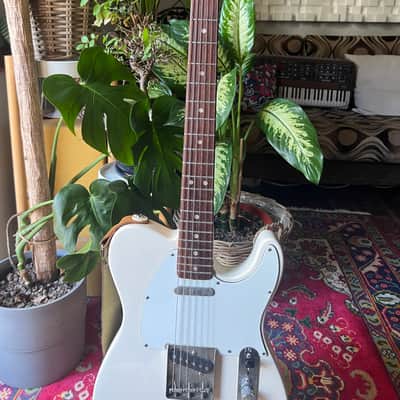
Fender Telecaster
Country-gospel and Southern gospel Telecaster · 2 single-coil pickups, 25.5-inch scale, bright bridge pickup(Player Tele: $600–$850 used)Best for: Country-gospel and Southern gospel, bright Telecaster clean tone for country-influenced gospel, reliable church gigging guitar, simple controls for live gospel performance
The Fender Telecaster suits country-influenced and Southern gospel — the bright, cutting Telecaster bridge pickup produces a clean, articulate tone that works well in Southern gospel contexts where guitar provides melodic definition. The simple two-control design makes the Telecaster reliable and consistent for gospel performance in diverse church settings. Used at $600–$850.
What to check used: The Telecaster is brighter than other gospel guitar options — the bridge pickup specifically may be too bright for smooth contemporary gospel contexts. For contemporary gospel, the Stratocaster's middle pickup is more appropriate. The Telecaster is the recommendation for Southern gospel and country-gospel specifically.
#6
Epiphone ES-335
Budget semi-hollow gospel · Semi-hollow, 2 Alnico Classic Pro humbuckers, 24.75-inch scale$420–$600 usedBest for: Gospel players who want semi-hollow tone at accessible prices, Alnico Classic Pro warmth for gospel chord work, consistent church gig instrument at mid-range prices
The Epiphone ES-335 provides accessible gospel semi-hollow character — Alnico Classic Pro humbuckers produce warm, rounded gospel tone for church use at $420–$600 used. For gospel players developing their style on a semi-hollow instrument before investing in a Gibson, the Epiphone is the recommendation. Used at $420–$600.
What to check used: Epiphone ES-335 feedback in live church settings with large PA systems may require management — the semi-hollow feeds back more than solid-body guitars at certain frequencies. Position carefully relative to in-ear monitors and floor monitors. The feedback is manageable with proper positioning and is rarely a problem in smaller church settings.
#7
Gibson SG Standard
Gospel-soul rhythm and lead (Mahalia Jackson era gospel crossover) · Mahogany body, 2 humbuckers, double-cutaway, 24.75-inch scale, American-made$900–$1,300 usedBest for: Soul-gospel rhythm and lead, warm humbucker SG for gospel dynamics, lighter weight for extended gospel service performance, double-cutaway upper fret access for gospel lead
The Gibson SG Standard suits soul-gospel guitar — the warm mahogany humbucker tone through a clean amplifier provides the smooth, dynamics-sensitive gospel character. The SG's lighter weight is important for gospel guitarists who perform through multiple services. The double cutaway provides upper-fret access for gospel lead runs. Used at $900–$1,300.
What to check used: The SG is less commonly associated with gospel than the ES-335 — the semi-hollow ES-335's acoustic warmth is more traditional. The SG is appropriate for gospel players who want solid-body reliability with humbucker warmth, particularly in feedback-prone live church environments.
#8
Taylor 214ce
Acoustic-electric gospel (praise and worship acoustic guitar) · Sitka spruce top, layered rosewood back/sides, Taylor Expression System 2 pickup, Grand Auditorium, cutaway$650–$850 new / $420–$600 usedBest for: Acoustic worship and praise music, Taylor acoustic-electric for unplugged gospel services, acoustic-electric for contemporary worship guitar in diverse settings
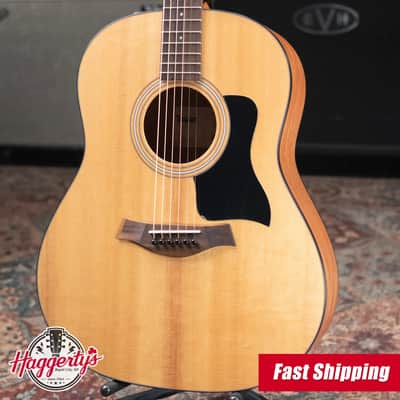
The Taylor 214ce is the acoustic-electric gospel recommendation for contemporary worship contexts — many worship services use acoustic guitar prominently for its intimate, natural character. The Taylor Expression System 2 pickup delivers accurate acoustic amplification for church PA systems. The Grand Auditorium body produces balanced, articulate tone that supports vocal-focused worship without overwhelming the mix. Used at $420–$600.
What to check used: Acoustic guitar in gospel and worship contexts requires a quality DI box (LR Baggs Venue DI, Fishman Aura Spectrum) between the guitar's output and the church PA to ensure the best acoustic tone through the PA system. The Taylor ES2 pickup sounds best through a transparent DI into the church mixing board.
#9
Squier Classic Vibe 60s Stratocaster
Budget contemporary gospel Stratocaster · Alder body, Fender-designed alnico single-coil pickups, 5-position switch, 25.5-inch scale$350–$430 new / $220–$300 usedBest for: Gospel beginners who want contemporary Stratocaster gospel tone at entry prices, budget entry for praise band guitar, accessible clean-to-light overdrive gospel tone
The Squier Classic Vibe 60s Stratocaster is the gospel beginner recommendation — the alnico pickups produce clean single-coil tone for gospel at $220–$300 used. Through a chorus pedal and wah, the Classic Vibe produces contemporary gospel character suitable for church services. Used at $220–$300.
What to check used: Invest in quality effects and a DI box before upgrading from Classic Vibe to American Stratocaster — the most important gospel tone improvement is the amplification chain (quality amp or DI) rather than guitar upgrade at this level.