#1
PRS SE Custom 24
Best overall electric guitar under $750 · Double-cut body, PRS SE 85/15 S humbuckers, mahogany body/neck, maple top, coil split, 25-inch scale$550–$700 usedBest for: Versatile rock, blues, and progressive rock playing — the PRS SE Custom 24 covers the widest tonal range in this price bracket through coil splitting (four single-coil-adjacent tones plus full humbucker), mahogany warmth, and the PRS 25-inch scale that sits between Fender and Gibson scale lengths
The PRS SE Custom 24 is the best-value electric guitar under $750 — the SE 85/15 pickups are among the best Korean-made humbuckers, the coil split provides access to four tonal characters in addition to full humbucker mode, and the carved maple top over mahogany construction provides visual and tonal premium feel. PRS quality control on the SE series exceeds most competitors at this price. Used at $550–$700.
What to check used: The PRS SE Custom 24 uses a 25-inch scale length, which is between Fender (25.5-inch) and Gibson (24.75-inch) — this produces a different playing feel than guitars players may be accustomed to. The coil-split tones, while useful, do not perfectly replicate single-coil Strat or Tele tones — they are bright single-coil-influenced humbuckers, not true single coils.
#2
Fender Player Plus Stratocaster
Fender Strat with upgraded noiseless pickups · Alder body, Player Plus Noiseless pickups (noiseless 3-single-coil set), push-pull tone for bridge pickup access, modern C neck profile$600–$750 usedBest for: Strat players who want three-single-coil tone without single-coil hum, the upgrade from the standard Player Strat with improved noiseless pickups and modern push-pull bridge pickup control
The Fender Player Plus Stratocaster provides the Strat experience without the compromise of single-coil hum — the Player Plus Noiseless pickups deliver the Strat's characteristic bright, glassy clean tone without 60-cycle hum in live and studio environments. The push-pull tone control accesses the bridge pickup in any neck/bridge combination, providing five-plus tonal options. Used at $600–$750.
What to check used: Fender Player Plus noiseless pickups are better than the standard Player Strat single coils, but players with the most sensitive ears still hear a slight character difference between noiseless and true single-coil pickups. The Player Plus also uses layered maple neck over a separate fingerboard — construction is solid but different from the one-piece maple neck option on some Strat variants.
#3
Epiphone Les Paul Custom
Les Paul prestige aesthetics at accessible pricing · Single-cut body, ProBucker humbuckers, mahogany body/neck, maple cap, ebony fingerboard, Les Paul Custom aesthetic$450–$650 usedBest for: Players who want the Les Paul Custom appearance (gold hardware, multi-ply binding, ebony board) at Epiphone pricing, rock and hard rock players who want Les Paul tone without Gibson pricing
The Epiphone Les Paul Custom provides the classic Les Paul Custom visual presentation — the black finish with gold hardware, multi-ply binding, and split-diamond headstock inlay are visually identical to the Gibson Les Paul Custom at a fraction of the price. The ProBucker humbuckers have improved significantly over previous Epiphone pickup generations and provide solid Les Paul humbucker tone. Used at $450–$650.
What to check used: The Epiphone Les Paul Custom uses an epiphone-grade maple cap over a mahogany body, not the premium figured maple or AAA maple of Gibson Les Paul Custom models — the tonal character is solid Les Paul without the premium wood response. ProBucker pickups are good but not exceptional; many owners replace them with Seymour Duncan or DiMarzio pickups ($150–$200) for a meaningful tone upgrade.
#4
Gibson SG Standard
American-made Gibson under $750 (used) · Double-cut mahogany body, Burstbucker 1 and 2 humbuckers, 24.75-inch scale, traditional SG neck profile$700–$1,000 used (recent) / $550–$750 used (2010s models)Best for: Players who want a genuine American-made Gibson under $750 (achievable with 2010–2019 SG Standards), classic rock and hard rock SG tone (AC/DC, Black Sabbath, Cream), the lighter weight alternative to Les Paul with similar tonal characteristics
The Gibson SG Standard is occasionally available under $750 on the used market for 2010–2019 models — this represents the best opportunity to own an American-made Gibson electric guitar at under $750. The SG's mahogany construction and Burstbucker pickups produce the warm, sustained rock tone of the original. The double-cutaway design provides better upper-fret access than Les Paul. Check the used market carefully — pricing varies significantly by year and condition. Used 2010s SG Standard at $550–$750.
What to check used: Gibson SG Standards below $750 are 2010–2019 era models — verify the serial number and condition carefully. Common issues on this era: neck joint stability (SG neck joint is historically weaker than Les Paul), fret wear, and electronics degradation. A professional inspection is worth $50–$75 before purchasing a used Gibson. Recent (2020+) SG Standards are $800+ used.
#5
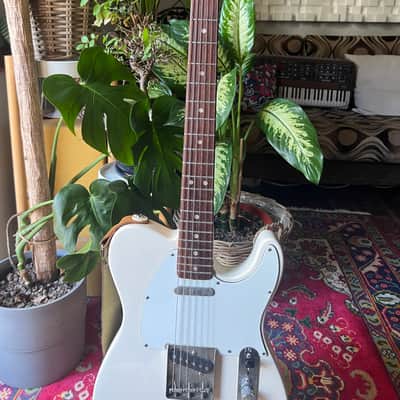
Fender Player Telecaster Plus Top
Tele with maple top upgrade · Alder body, Plus-Top maple veneer, Player series pickups, 6-saddle bridge, traditional C neck profile$500–$650 usedBest for: Country and rock players who want Telecaster tone with upgraded visual appeal, the standard Player Tele character in a more premium-looking package
The Fender Player Telecaster Plus Top provides the core Telecaster tonal experience — the bridge single-coil's percussive attack and neck single-coil's warm jazz/country tone — with a maple veneer top that provides visual differentiation from the standard Player Tele. The plus-top finish options (Aged Cherry Sunburst, Sienna Sunburst) provide Gibson-adjacent visual character on a Telecaster. Used at $500–$650.
What to check used: The Fender Player Telecaster Plus Top is still a Player series guitar with Player-grade components — the plus-top is a maple veneer over the standard alder body, not solid maple. Tone is identical to a standard Player Telecaster. The Plus Top is a visual upgrade, not a tonal one. Players who want improved Tele tone should consider the Player Plus Telecaster with noiseless pickups ($600–$750 used).
#6
Ibanez AZ2204
Japanese Ibanez quality at mid-range price · AZ double-cut body, Seymour Duncan Hyperion pickups (from factory), roasted maple neck, Gotoh locking tuners, Ibanez edge-zero II tremolo$600–$750 usedBest for: Rock and metal players who want factory Seymour Duncan pickups without swapping, Japanese quality construction, Ibanez AZ series tonal versatility with HSS configuration options
The Ibanez AZ2204 is one of the few guitars under $750 with factory-installed Seymour Duncan pickups — the Hyperion bridge humbucker and middle/neck single coils are proven performers that most guitarists consider an upgrade without needing to swap pickups. The roasted maple neck improves moisture resistance and produces a slightly warmer neck tone than standard maple. Made in Japan. Used at $600–$750.
What to check used: The Ibanez AZ2204's roasted maple neck is more expensive to replace or refinish than standard maple — minor repairs require finding a luthier familiar with roasted maple. The AZ series body shape is Ibanez's own design and may feel unfamiliar to players accustomed to Strat or Les Paul body ergonomics. Some players find the Ibanez neck profile too thin for their preference.
#7
Schecter Hellraiser C-1
Metal and hard rock specialist · Single-cut body, EMG 81/89 active pickups, mahogany body, set neck, TonePros locking bridge, Schecter sustain block$400–$600 usedBest for: Metal and hard rock players who want active EMG pickups (the standard for aggressive metal tone) without the cost of a top-tier Gibson, high-gain rock and metal at under $750
The Schecter Hellraiser C-1 delivers active EMG pickups at accessible pricing — the EMG 81 bridge humbucker is the industry-standard high-gain metal pickup, used in context from Metallica to Trivium. The EMG 89 neck humbucker provides both full humbucker and coil-split modes. The Schecter set neck construction provides Gibson-adjacent sustain. Used at $400–$600.
What to check used: Active EMG pickups require 9V battery power — the battery compartment requires regular replacement (annually with normal playing). Players who do not play metal or high-gain rock may find the EMG character too aggressive for clean and light crunch applications; passive humbuckers are more versatile across clean, crunch, and high-gain settings. The Hellraiser is specifically the metal guitar choice.
#8
G&L Tribute ASAT Classic
Leo Fender's post-Fender Tele refinements · Single-cut body, G&L MFD (Magnetic Field Design) single-coil pickups, alder body, maple neck, Leo Fender-designed saddle-lock bridge$350–$500 usedBest for: Telecaster players who want Leo Fender's final Telecaster refinements without American Fender pricing, MFD single-coil clarity and output that differs from traditional Tele single coils
The G&L ASAT Classic is the closest production guitar to what Leo Fender designed after selling Fender to CBS — the MFD single-coil pickups provide higher output and clarity than traditional Fender vintage-spec single coils. The saddle-lock bridge eliminates string breakage at the saddle, a known traditional Telecaster issue. Used at $350–$500, the ASAT Classic is exceptional Telecaster-adjacent quality at accessible pricing.
What to check used: G&L Tribute series is made in Indonesia, not the US-made G&L Legacy and ASAT Classic series — verify which you are purchasing. US-made G&L instruments are $800–$1,200+ used. The Tribute series is the Korean/Indonesian-made entry line. Both the Tribute and US G&L use MFD pickups, but build quality and component quality differ.