Affiliate Disclosure: As an eBay Partner Network Affiliate, we earn from qualifying purchases. Treblemakers may also earn commissions from Reverb and other marketplace links. This doesn't affect the price you pay. Learn more

BEST VALUE
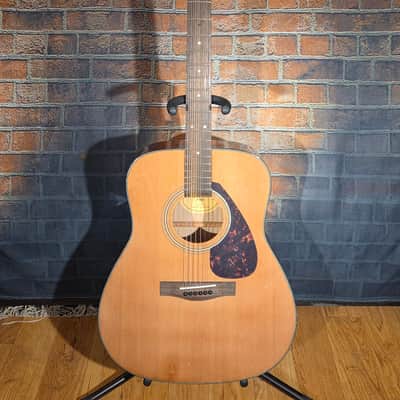
Yamaha JR2
$49 on Reverb
SERIOUS LEARNER
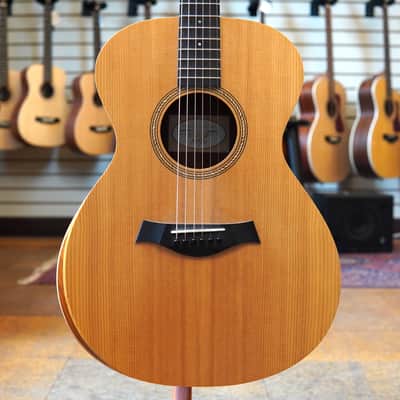
Taylor Academy 12
$400 on Reverb
BUDGET
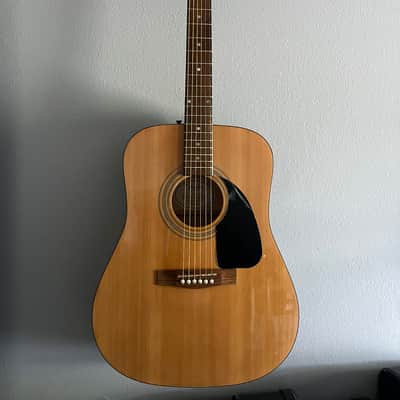
Fender CD-60S
$24 on Reverb

Choosing the right kids' guitar is the single biggest factor in whether they stick with learning. Too big, and their arm gets tired. Too cheap, and it won't stay in tune. Too expensive, and the pressure to practice feels heavy.

This guide covers the best acoustic guitars sized for small hands and lightweight enough for young players. We focus on nylon-string and 3/4-scale models that support growth from age 6 through early teens.

The 7 Best Acoustic Guitar for Kids

#1

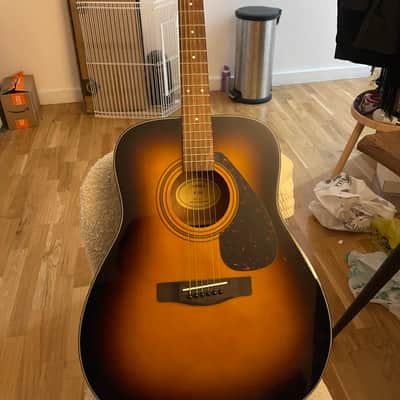
Yamaha JR2

3/4 Acoustic · Meranti body, nylon strings, 19-inch scale$100–$150

Best for: Kids ages 6-10

The Yamaha JR2 is the gold standard for beginner kids. It's lightweight, playable, and tuned to stay in tune — a big deal for young learners who get discouraged by constant retuning. The nylon strings are gentler on small fingers. Used JR2s are everywhere and affordably priced.

What to check used: Nylon strings wear over time; replace every 6 months if played regularly. Inspect the tuning machines for smooth action.

Available now
#2

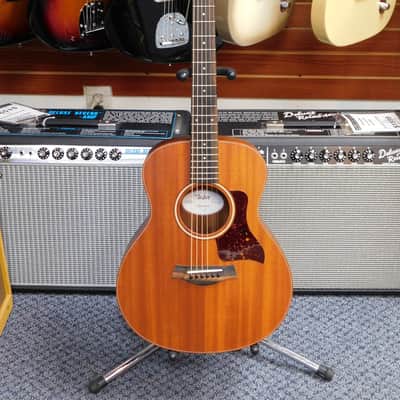
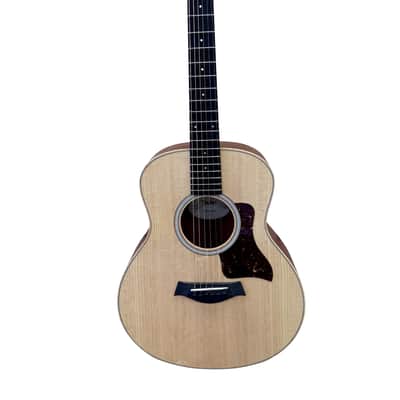
Taylor Academy 12

3/4 Acoustic · Layered spruce top, walnut body, steel strings$250–$360

Best for: Serious young players (ages 8-12)

If a kid is committed to learning, the Taylor Academy 12 is the upgrade. Better tone than the JR2, excellent playability, and the name "Taylor" builds confidence. Steel strings allow faster progress into adult repertoire. Used Academy 12s hold value well.

What to check used: Steel strings can hurt fingers until calluses build (1-2 weeks). Not ideal for absolute beginners.

Available now

#3

Fender CD-60S

3/4 Acoustic · Spruce top, mahogany sides/back, steel strings$100–$150

Best for: Budget-conscious families, steel-string intro

Fender CD-60S is affordable and warm-sounding. The spruce top resonates well for a budget guitar. Used examples are plentiful. Great if a kid wants to transition from nylon to steel strings without spending more.

What to check used: Not as refined as Taylor Academy 12 or high-end JR2 variants. Finish checking is common after a few years — cosmetic only.

Available now

#4

Martin LX1 Little Martin

Parlor (7/8 Scale) · Solid spruce top, mahogany sides/back, nylon strings$80–$120

Best for: Ages 4-8, travel-friendly

The Little Martin is a real instrument, not a toy. Martin quality at a compact size. Nylon strings are kid-friendly. Portable enough for family vacations. Used Little Martins are affordable and fun.

What to check used: Smaller size means less volume — fine for practicing but won't fill a room.

#5

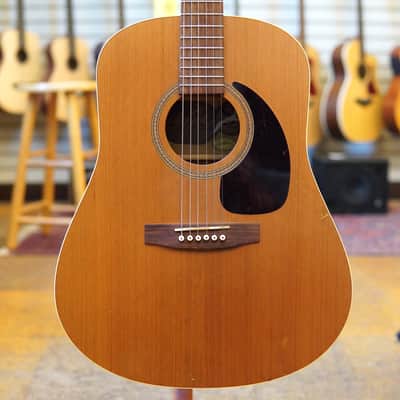
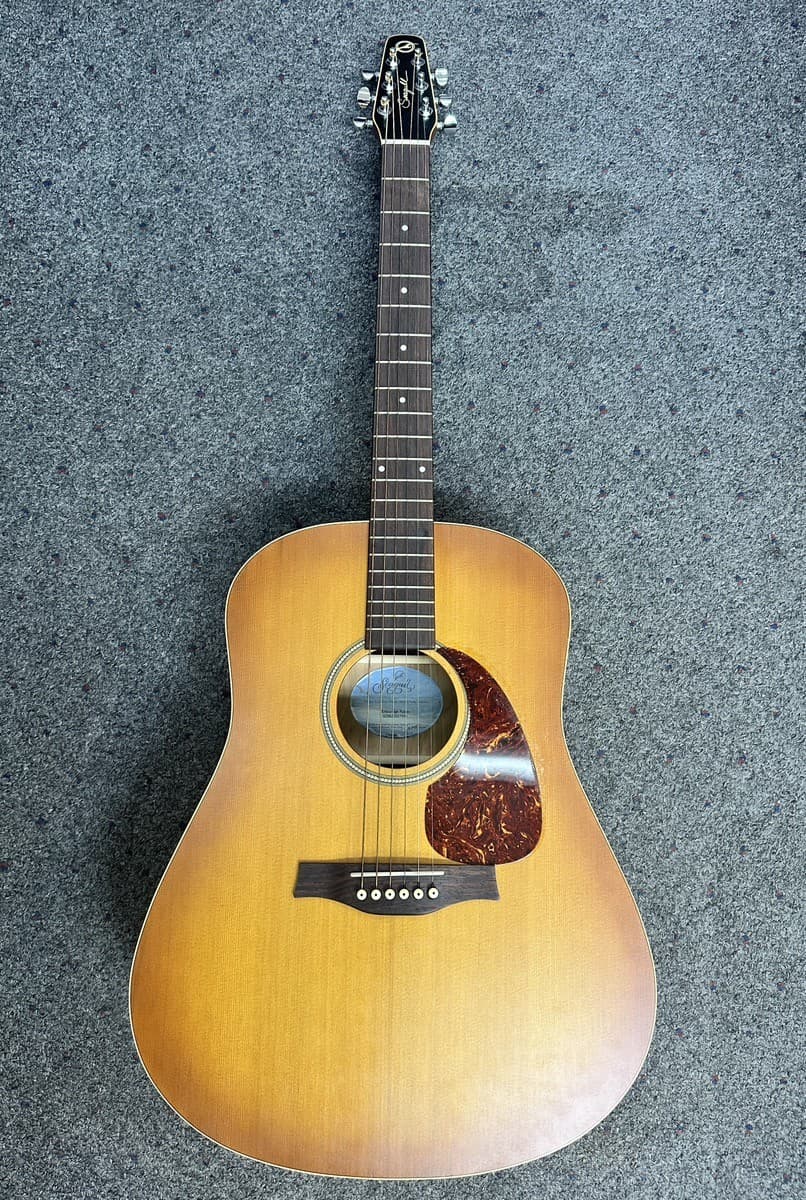
Seagull S6 Slim

3/4 Acoustic · Solid cedar top, mahogany sides/back, semi-slotted headstock$200–$280

Best for: Kids who embrace learning, eco-conscious families

The Seagull S6 Slim is well-built Canadian gear. Solid wood construction (better tone and durability than laminate), slim neck profile works for small hands. Used S6 Slims are uncommon but worth finding.

What to check used: Steel strings; requires finger conditioning. May need a set-up after purchase.

#6

Luna Aurora Borealis 3/4

3/4 Acoustic · Laminated spruce top, sycamore sides/back, nylon strings$80–$120

Best for: Budget-friendly, colorful design

Luna makes fun guitars for kids with colorful finishes that encourage playing. Decent tone for the price, nylon strings, and lightweight. Used Lunas are affordable.

What to check used: Laminate body doesn't age as well as solid wood. Tuning stability is okay but not exceptional.

#7

Jasmine S34C NEX

3/4 Acoustic · Laminated spruce top, nato sides/back, semi-slotted headstock$60–$90

Best for: Super-budget entry guitar

The Jasmine is Takamine's budget line. Good playability for the price, fun colors, and a real neck (not cramped). Used Jasmines are cheap and cheerful.

What to check used: Finish quality is thin; prone to checking. Tone is basic but playable. Better as a first guitar than a keeper.

Frequently Asked Questions

What size guitar is right for my child's age?

Guitar size should match arm length and hand size, not age. Use this guide: - Ages 4-6 (small hands): 1/4 scale (Little Martin) or 3/4 steel-string - Ages 6-9 (growing): 3/4 scale (Yamaha JR2, Fender CD-60S, Taylor Academy 12) — most common choice - Ages 9+ (adolescent): Full-size (4/4 scale) — standard adult size Have your child hold the guitar: they should reach the first fret without shoulder strain. If their arms are short, 3/4 is right even if they're 10+.

Nylon vs. steel strings — which is better for kids?

Nylon strings are gentler on fingers and easier for beginners; kids can play 10 minutes without pain. Steel strings build calluses faster (1-2 weeks) and open doors to folk, country, and rock sooner. Start nylon for age 6-8 learners, consider steel at age 8-10 if they're committed. Many kids start nylon and transition to steel naturally.

How often should I replace the strings?

For a kid playing 30 minutes a day, nylon strings last 3-6 months, steel strings last 6-12 months. Once a string sounds dull or keeps going flat, replace it. Replacing one string at a time is fine; no need to replace all at once unless you're doing major maintenance.

Should I buy new or used for my kid?

Used is smart for kids. If they stick with it after 6 months, upgrade to a better guitar. Used Yamaha JR2s and Fender CD-60S are plentiful and cheap; buy used, play for a season, sell for similar price. Check: tuning machines work smoothly, no large cracks (small checking is okay), and all frets play.

How do I know if my child is ready to upgrade from a 3/4 to full-size?

When they can comfortably hold a full-size guitar without shoulder strain, and they're ready to tackle more advanced songs. Usually ages 10-12. A teacher can help assess readiness. Upgrading before they're ready frustrates learning; upgrading after they plateau keeps momentum.

Get weekly used gear deals in your inbox

Price drops, new listings, and buyer tips — free, every week.

Unsubscribe any time.

Professional Appraisal

Know what your instrument is worth

Generate an CMA appraisal report in minutes. We pull comparable sold listings from Reverb, eBay, Guitar Center, and more — you select the comps, get statistical analysis, and download a professional PDF. Starting at $8.99.

Related Guides