Reverb
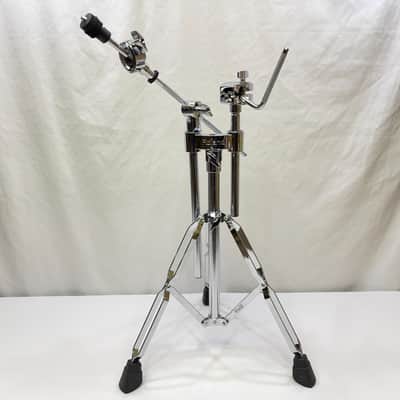
Roland DCS-30 VAD Combination Boom Cymbal Stand - Roland DCS-10 Combination Cymbal / Tom Stand
View on Reverbvery-goodFair Price
No Location
$160
+ $28 shipping
1h ago
Search Reverb, eBay & 10+ marketplaces in one place
Roland Corporation has been a major force in electronic music since 1972. The company created some of the most influential synthesizers (Jupiter-8, Juno-106), drum machines (TR-808, TR-909), and guitar amplifiers (Jazz Chorus) in music history. Roland instruments hold their value remarkably well on the used market — particularly vintage analog synths, which have appreciated significantly. The company also operates the Boss brand for effects pedals and compact electronics.
Treblemakers aggregates used Roland listings from Reverb, eBay, and 10+ other marketplaces — all in one place, updated daily. One search covers them all.
When buying used Roland instruments, focus on condition and authenticity. Check for any wear on knobs and sliders, as these can significantly impact playability and resale value. Instruments with excessive wear or modified parts often sell for at least 20% less than their market value. Be wary of models that came with preset patches or internal batteries, like the Juno-106; battery leakage can lead to permanent damage. Price tiers matter. A TR-808 can fetch between $3,000 to $5,000, while a Juno-106 generally sells for around $800 to $1,500, depending on condition. Opt for models with original
This era produced iconic models like the Jupiter-8 and TR-808. Instruments from this time are prized for their unique sound character.
Collectible — price accordingly.
Roland returned to analog emulation, improving digital synthesis. Models from this period have a balance of vintage warmth and modern reliability.
Best value.
Current instruments feature improved build quality and responsiveness, ideal for both studio and live settings.
Avoid early models that had sound quality issues.
To date Roland instruments, locate the serial number on the back or bottom of the unit. You'll often find it in a format of three letters followed by a series of numbers, e.g., 'XXY12345'. The letters can indicate the month and year of production. For exact dating, refer to Roland's online archive or trusted forums, where enthusiasts share insights predicated on serial numbers from specific models
Affiliate Disclosure: As an eBay Partner Network Affiliate, we earn from qualifying purchases. Treblemakers may also earn commissions from Reverb and other marketplace links. This doesn't affect the price you pay. Learn more


Expect to pay between $3,000 to $5,000, depending on condition and modifications.
With care, yes. Look for battery leakage; that's a common concern with vintage models.
Check the serial number and model. Classic models, like the Jupiter-8, were made between 1972 and 1985.
Only if it's a significant discount, ideally below 20% off market value.
Inspect for sticky keys, button functionality, and the presence of original components.