Reverb
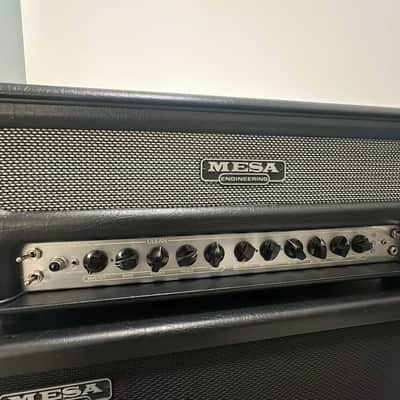
Mesa Boogie Royal Atlantic RA-100 2-Channel 100-Watt Guitar Amp Head 2011 - 2015 - Various
View on ReverbexcellentAbove Avg
No Location
$1,469
5h ago
Search Reverb, eBay & 10+ marketplaces in one place
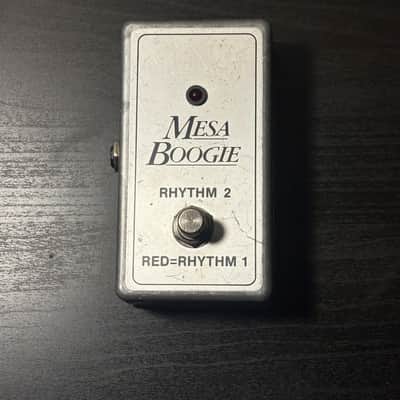
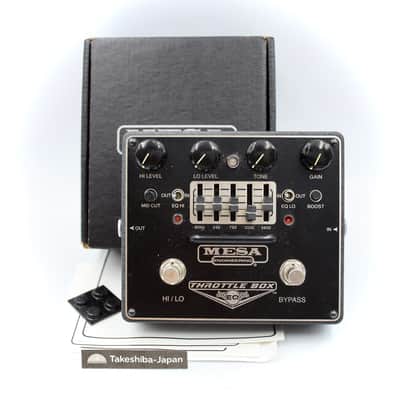
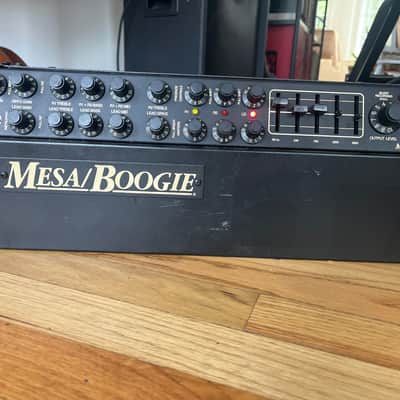
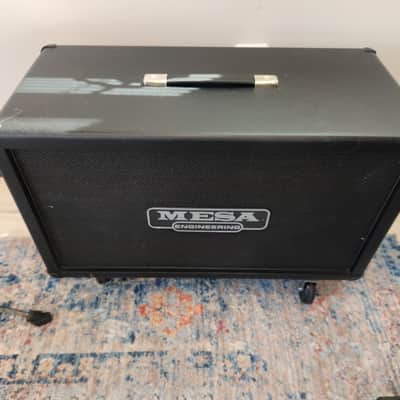
Mesa/Boogie is a United States-based manufacturer founded in 1969. We track 3 Mesa/Boogie instruments across the used market. Browse current Mesa/Boogie listings from Reverb, eBay, and other marketplaces to search and find the best deals.
Treblemakers aggregates used Mesa/Boogie listings from Reverb, eBay, and 10+ other marketplaces — all in one place, updated daily. One search covers them all.
When buying used Mesa/Boogie gear, know what you’re looking for to avoid pitfalls. First, consider the model. The Mark series has a strong resale value. A good Mark I might go for $800 while a Mark IV can reach $1,200 or more. Look into condition. Scratches, worn components, and upgrades can drastically change value. If a seller claims it’s ‘as new,’ ask for proof and recent service records. Many Mesa/Boogie amps use unique components, so mismatched parts could indicate it’s been tinkered with or poorly maintained. Focus on original transformers and circuit boards; replacements can impact tone
This era produced some of the company’s most iconic amps, featuring point-to-point hand wiring. They typically have superior tone and construction.
Collectible — price accordingly.
Mesa expanded the Mark series during this time, adding versatility and features. These models are known for their tone richness and durability.
Best value — solid performance for price.
This period includes computer-designed amps with more consistent quality but slight tonal variances compared to earlier models. Prices can be high due to brand loyalty.
Avoid early digital models.
To date Mesa/Boogie gear, find the serial number on the back panel or near the power transformer. The format usually includes a letter followed by a series of digits, indicating the production year. For example, a number like 'E123456' would mean it was made in 1985. Cross-reference this with online databases, official forums, or Mesa/Boogie’s customer service for accurate dating.
Affiliate Disclosure: As an eBay Partner Network Affiliate, we earn from qualifying purchases. Treblemakers may also earn commissions from Reverb and other marketplace links. This doesn't affect the price you pay. Learn more
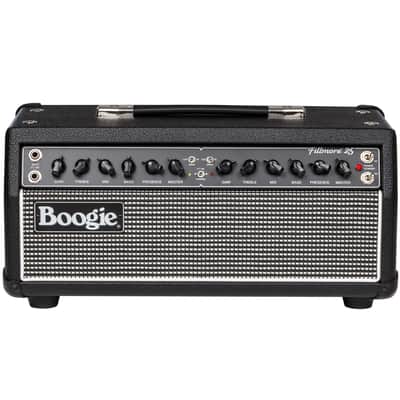
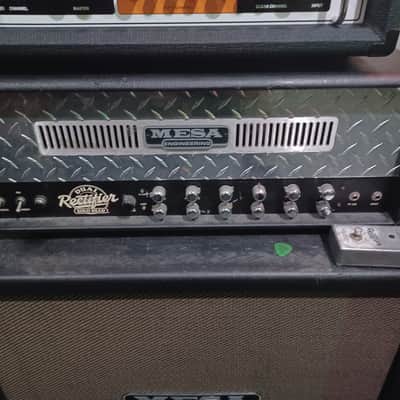
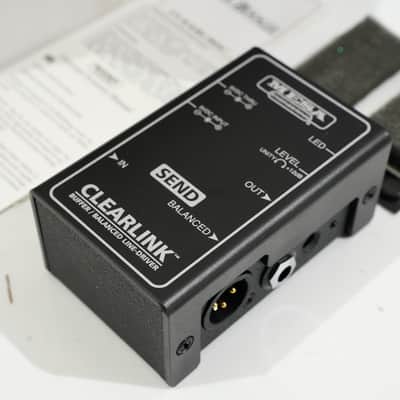
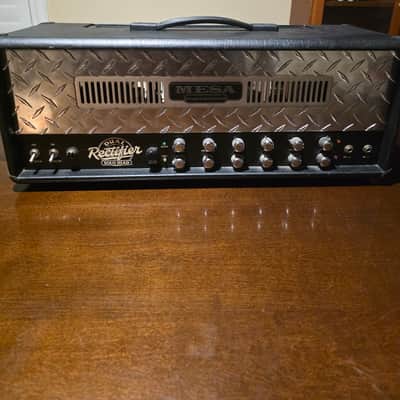
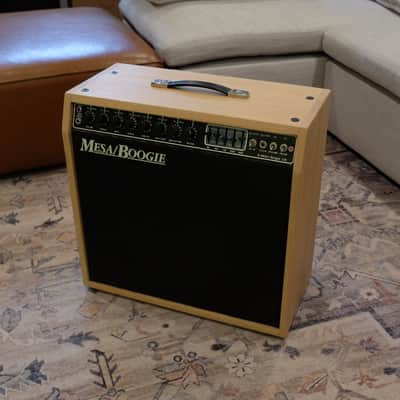
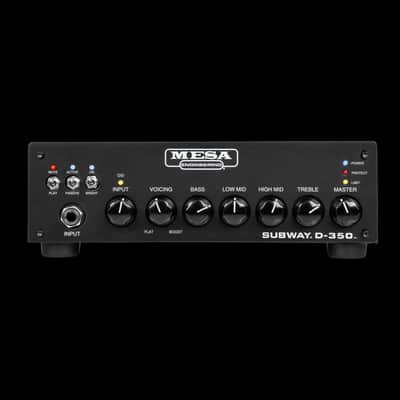
Prices generally range from $1,200 to $1,600 based on condition and included accessories.
Inspect for original parts, look for signs of overheating, and test all features to ensure everything functions perfectly.
Yes, they typically have excellent resale value and long-lasting quality, especially the Classic and Mark series.
Check for component mismatches and ask for any service records. Modifications usually impact value significantly.
The Mark IIC+ is well-regarded for classic rock. Expect to pay upwards of $2,500 if in good condition.