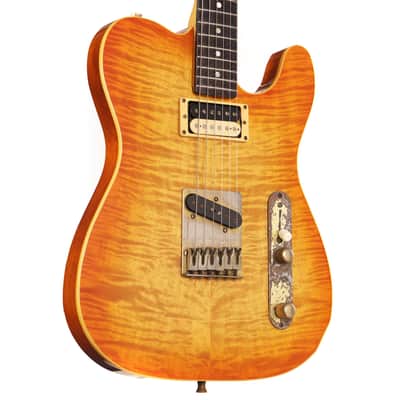
Reverb
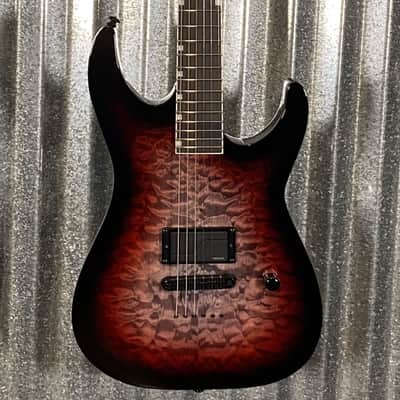
1990s ESP Craft House Flame Top T-Style Guitar Sunburst
View on Reverbvery-goodAbove Avg
No Location
$3,849
+ $35 shipping
22h ago
Search Reverb, eBay & 10+ marketplaces in one place
ESP is an Japan-based manufacturer founded in 1975. We track 13 ESP instruments across the used market. Browse current ESP listings from Reverb, eBay, and other marketplaces to search and find the best deals.
Treblemakers aggregates used ESP listings from Reverb, eBay, and 10+ other marketplaces — all in one place, updated daily. One search covers them all.
When buying used ESP instruments, focus on condition and authenticity. Inspect for dings, dents, and fret wear, which can affect playability and resale value. Models like the ESP Horizon and EC series are popular, often ranging from $600 to $2,000 based on condition. If you find a model from the late 80s to early 90s, expect to pay a premium for its unique characteristics. Look closely at the neck joint; any signs of repair can indicate serious structural concerns. Also, check for original hardware. If the pickups have been swapped out for generic ones, it could lower the value significantly.
Models from this era feature superior craftsmanship and attention to detail, making them highly sought after by collectors. You'll notice the use of premium woods and original components.
Collectible — price accordingly
This era includes both affordable and quality models, with a shift in materials. While they lack the premium finishes of Japanese models, they're often great values for players.
Best value
These models maintain high-quality standards but often feature updated components. Expect consistency in quality, and modern specs like locking tuners and active pickups.
Avoid low-tier customs.
To date ESP instruments by serial number, locate the serial number on the back of the headstock or inside the control cavity. The format varies, but many have a year prefix. For example, '98-12345' indicates a 1998 model. Use online databases or forums to cross-reference this format for exact dating. Don't rely solely on serial numbers; verify against other features of the instrument.
Affiliate Disclosure: As an eBay Partner Network Affiliate, we earn from qualifying purchases. Treblemakers may also earn commissions from Reverb and other marketplace links. This doesn't affect the price you pay. Learn more
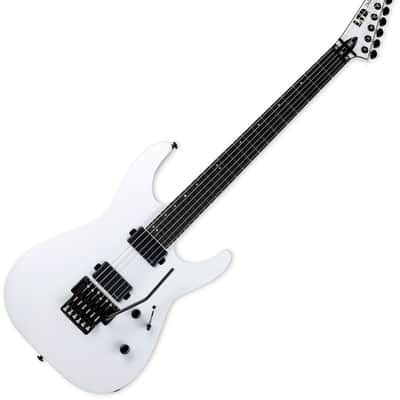

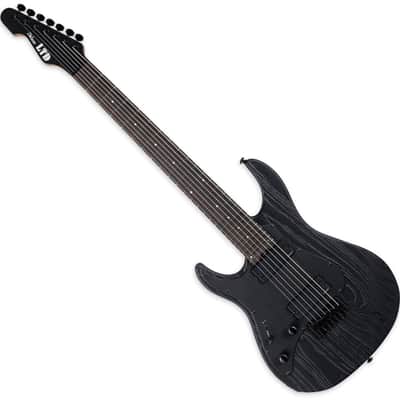
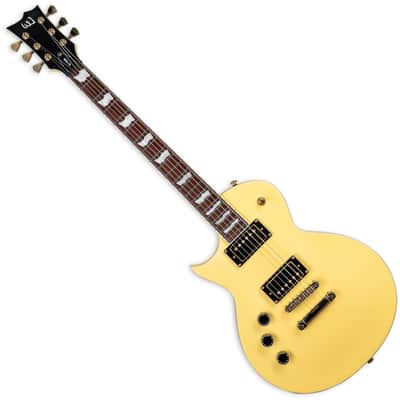
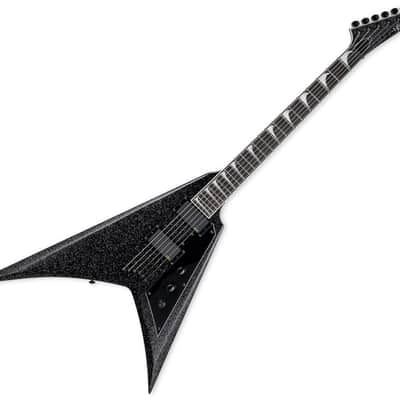

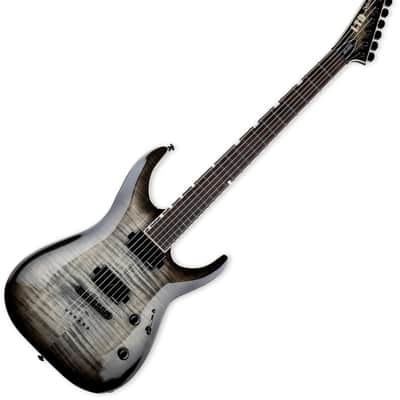
You can expect to pay between $800 and $1,500 depending on the condition and year of manufacture.
Look out for neck warping and electronic issues, which are frequently reported in older models.
Check the serial number, original hardware, and ensure there are no signs of refinishing; these are usually good indicators.
Yes, particularly models from the Japanese era; they often appreciate over time if maintained properly.
ESP is the premium line with better materials and craftsmanship. LTD offers more affordable options without sacrificing too much quality.