Reverb
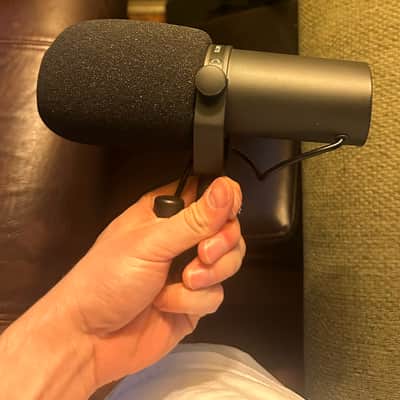
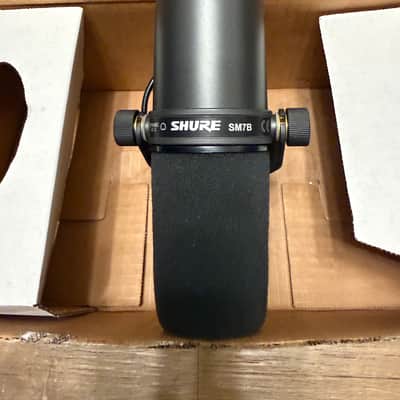
Shure SM7B - Great Condition - Podcast Studio Sale 4/4 ✰ ✰ ✰
View on ReverbexcellentAbove Avg
No Location
$274
+ $15 shipping
1mo ago
The Shure SM7B is the most recognizable broadcast and podcasting microphone in the world, but its roots are in recording studios — it was the mic used for Michael Jackson's "Thriller," and it has been a staple of radio and music production since the 1970s. Four distinct variants have been produced since the original SM7 launched in 1973, each adding features while retaining the core dynamic cardioid capsule design. The SM7B (2001–2023) became the default recommendation for home studios and podcasters; the SM7dB (2023–present) added a built-in preamp for interfaces with limited gain. Confusion between variants is widespread on the used market — sellers frequently list older SM7 or SM7A models as "SM7B" without realizing they're different products.
Smooth, flat frequency response with gentle presence boost option; proximity effect gives warmth at close range; rejects room noise well
Prices vary based on year, condition, modifications, and seller. This range represents the majority of used listings we track across multiple marketplaces.
Affiliate Disclosure: As an eBay Partner Network Affiliate, we earn from qualifying purchases. Treblemakers may also earn commissions from Reverb and other marketplace links. This doesn't affect the price you pay. Learn more
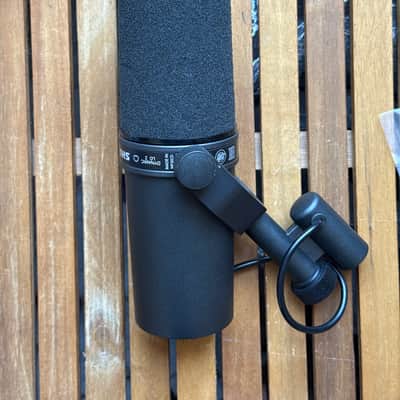
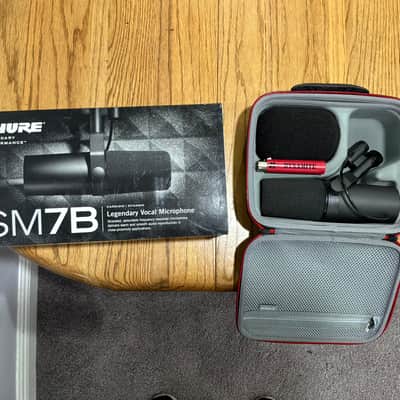
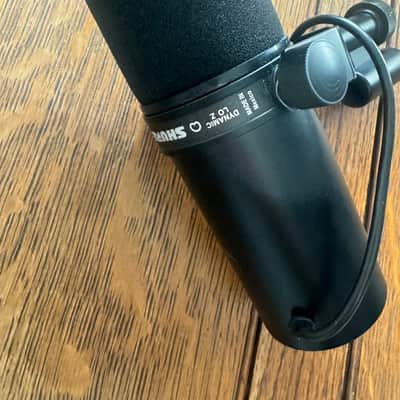
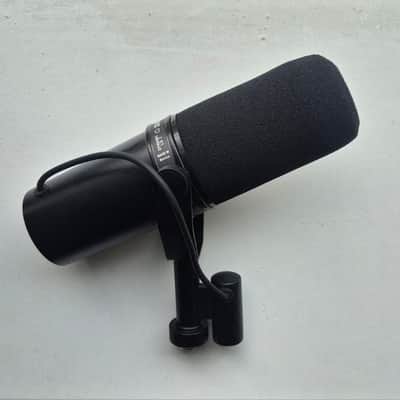
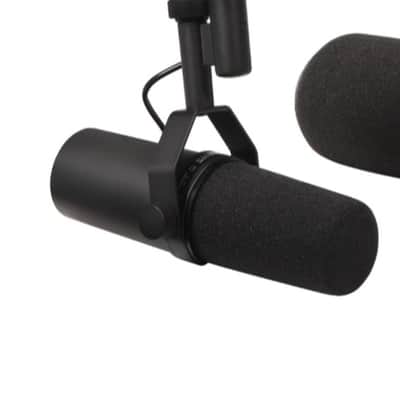
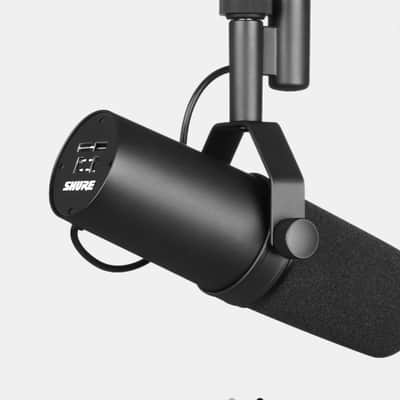
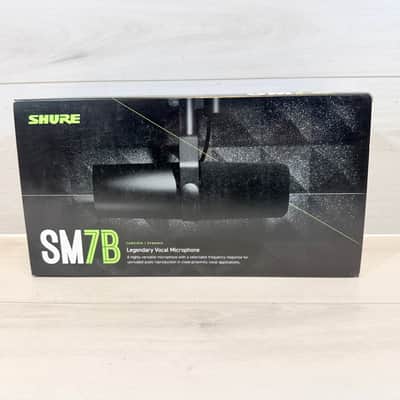


Four distinct SM7 variants have been produced since 1973. They share the same dynamic cardioid capsule concept but differ in features, EQ switching, and electronics. Used listings frequently mislabel older variants as SM7B — verify before buying.
| Variant | Years Produced | Serial Range | Key Identifiers | Avg Used Price |
|---|---|---|---|---|
| SM7 (original) | 1973–1999 | N/A — not serial-number identified | No EQ switches. Fixed mounting yoke (no detachable yoke). Larger, heavier body than later variants. No presence boost or bass-rolloff options. Used on Michael Jackson's "Thriller" (1982). Identified by "SM7" on the nameplate. | $200–$450 |
| SM7A | 1999–2001 | N/A — not serial-number identified | Added two EQ switches: presence boost and bass rolloff. Improved internal shielding. Same capsule as SM7. Very short production run — less common than SM7 or SM7B. Nameplate reads "SM7A." | $150–$350 |
| SM7B | 2001–2023 | N/A — not serial-number identified | Updated cartridge with improved noise floor. Detachable A7WS windscreen. Two EQ switches (presence boost + bass rolloff). Flat frequency response in default position. The industry-standard broadcast and podcasting microphone for over two decades. Nameplate reads "SM7B." | $250–$370 |
| SM7dB | 2023–present | N/A — not serial-number identified | Built-in switchable preamp (+18 dB or +28 dB). LED gain indicator. XLR only (no USB). Eliminates need for a Cloudlifter or external preamp. Slightly heavier than SM7B. Nameplate reads "SM7dB." New retail ~$499. | $350–$450 |
The Shure SM7 series does not use serial numbers as a meaningful identifier for dating or authentication — Shure does not publish serial-to-date databases for these models. Variant identification is done by the model designation on the nameplate (on the bottom of the mic body), the presence or absence of EQ switches (SM7A/B/dB have them; original SM7 does not), and the presence of a built-in preamp (SM7dB only). If you need to confirm the exact production date for warranty or documentation purposes, contact Shure directly with the serial number.