Reverb
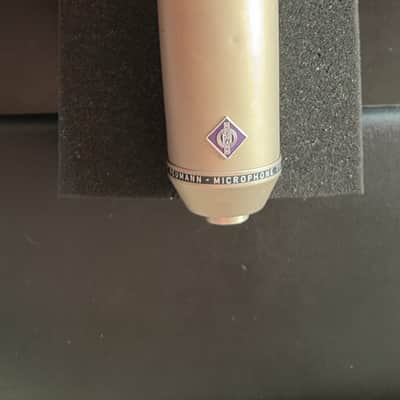
Neumann U 87 Large Diaphragm Multipattern Condenser Microphone 1967 - 1985 - Nickel
View on Reverbvery-goodAbove Avg
Above Market
No Location
$5,878
+ $73 shipping
1w ago
The Neumann U 87 is the most widely recognized large-diaphragm condenser microphone in recording history. Introduced in 1967, it has served as the default vocal and instrument mic in professional studios worldwide for over 55 years. Three distinct variants were produced across its production history: the original U87 (1967–1986), the U87A (1986–1993), and the current U87 Ai (1993–present). Each variant has a unique serial number range, making it possible to identify exactly what you have — or what a seller is offering — without relying on documentation alone. The U87 Ai is the most common on the used market; the original transformer-coupled U87 is prized by collectors for its slightly warmer character. If you're considering a used unit, knowing how to read the serial number and spot a counterfeit is essential — the U87 is among the most-counterfeited professional microphones ever made.
Warm, open, detailed; transformer-coupled original has slightly more color; Ai is cleaner at 15dB self-noise
Prices vary based on year, condition, modifications, and seller. This range represents the majority of used listings we track across multiple marketplaces.
Affiliate Disclosure: As an eBay Partner Network Affiliate, we earn from qualifying purchases. Treblemakers may also earn commissions from Reverb and other marketplace links. This doesn't affect the price you pay. Learn more
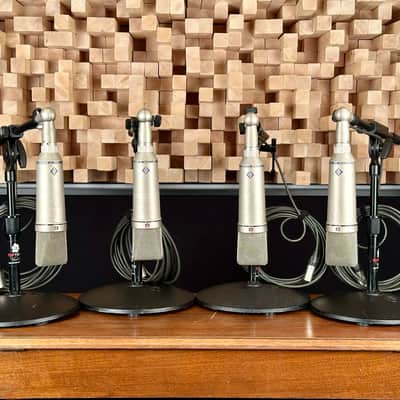
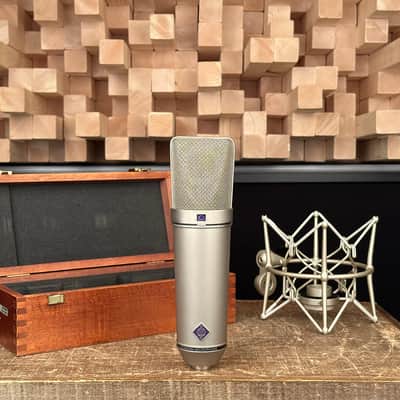
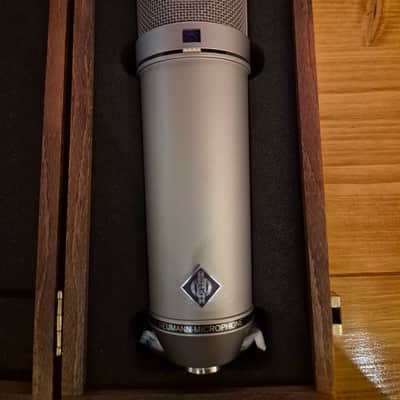
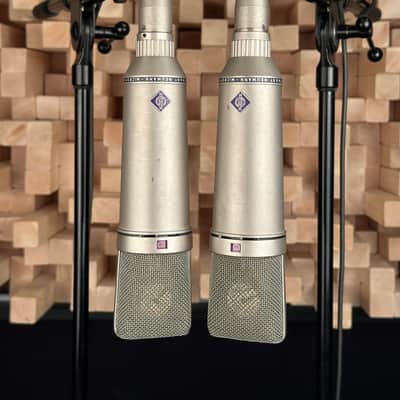
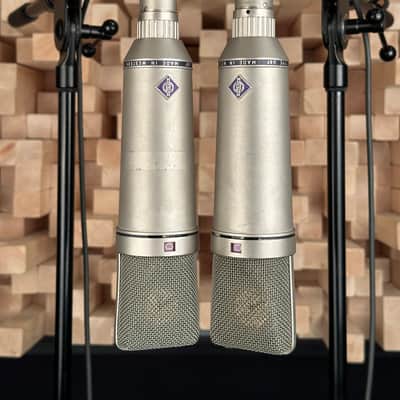
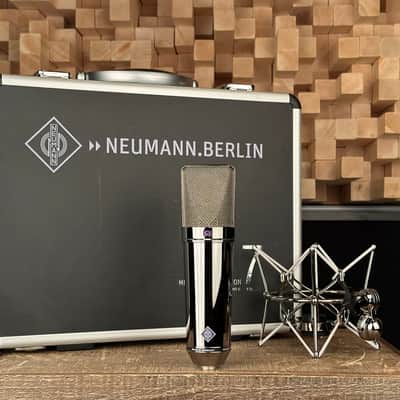
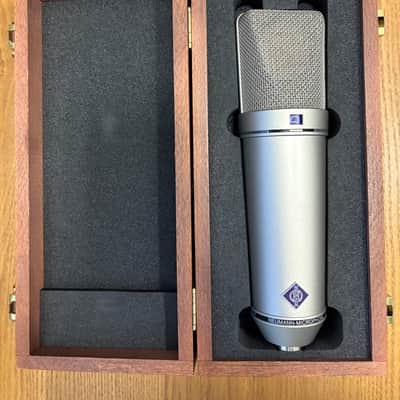
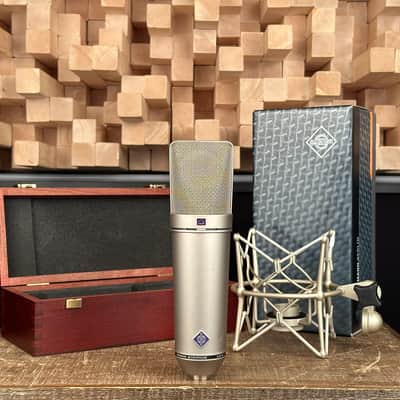
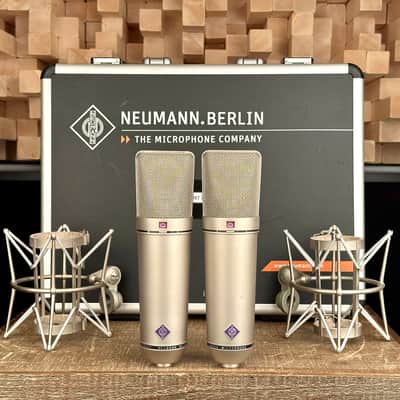
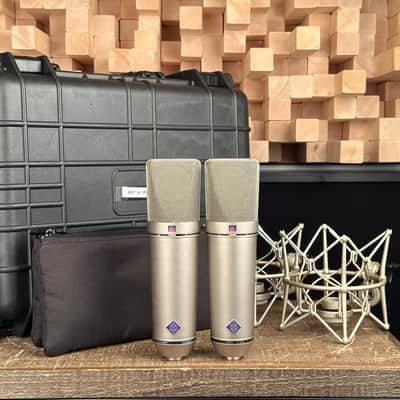

The U87 has been manufactured continuously since 1967 with three major variants. Use the table below to identify which version you have — or are considering buying — before making any decision.
| Variant | Years Produced | Serial Range | Key Identifiers | Avg Used Price |
|---|---|---|---|---|
| U87 (original) | 1967–1986 | ~1,000–28,000 | Transformer-coupled output stage, K67 capsule, no switchable polar pattern label printed on the body; older units have a distinctive warm character. | $1,800–$4,500 |
| U87A | 1986–1993 | ~28,000–40,000 | Same K67/K87 capsule as the original, updated solid-state electronics, "U87A" label printed on the body. Marginally lower noise floor than the original. | $1,500–$3,200 |
| U87 Ai | 1993–present | 40,000+ | Lower self-noise spec (15 dB-A vs 18 dB-A), updated headgrille design; the label reads "U 87 Ai" — note the space before "Ai". Current production model. | $1,498–$3,500 |
The serial number is stamped on the base plate of the microphone. Neumann serial numbers are purely sequential — a higher number always means a later production date. If your serial is below 28,000 and the body says "U87" (not U87A or U87 Ai), you have the original transformer-coupled version, which typically commands a premium of 20–60% over the U87 Ai on the collector market.
Want the full breakdown? Read our complete Neumann U 87 serial number & authentication guide →