Reverb
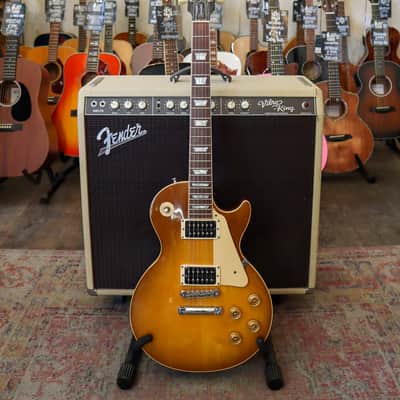
Gibson Les Paul Standard 1993 - Honey Burst
View on Reverbvery-goodAbove Avg
No Location
$4,181
+ $419 shipping
13h ago
The Gibson Les Paul Standard is one of the two electric guitars that defined rock music (the other being the Stratocaster). First produced in 1958, the Les Paul Standard pairs a carved maple top with a mahogany body to produce a thick, warm sustain that's driven everything from blues to metal. Les Pauls hold their value well on the used market, and vintage "Bursts" from 1958-1960 are among the most valuable production guitars ever made. Modern Standards are a more accessible entry point, and even these command strong resale prices.
Solid body, single cutaway, carved maple top
Thick, warm, high sustain; humbuckers deliver smooth distortion
Jimmy Page, Slash, Gary Moore, Duane Allman
Prices vary based on year, condition, modifications, and seller. This range represents the majority of used listings we track across multiple marketplaces.
Affiliate Disclosure: As an eBay Partner Network Affiliate, we earn from qualifying purchases. Treblemakers may also earn commissions from Reverb and other marketplace links. This doesn't affect the price you pay. Learn more
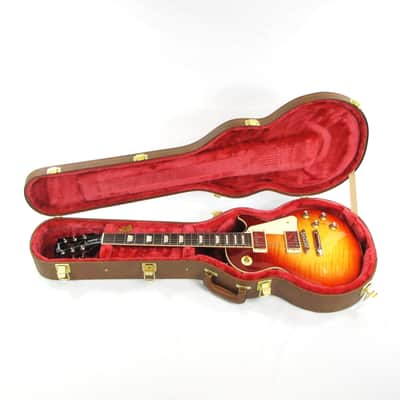
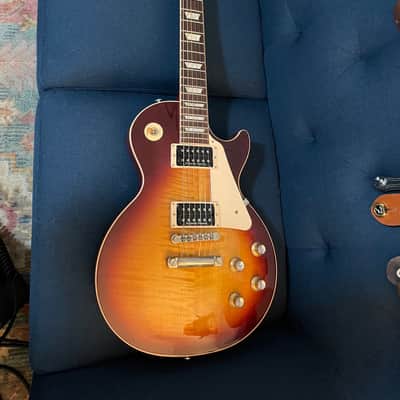


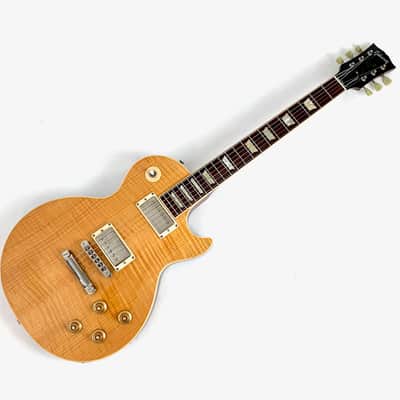

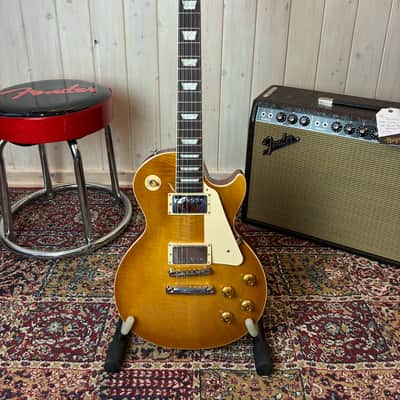

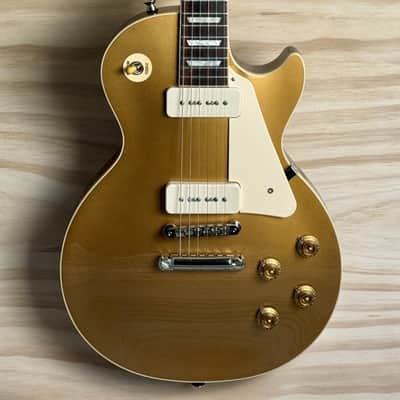


The Les Paul Standard has gone through several distinct production eras with different construction methods, pickup types, and value levels. The serial number — on the back of the headstock — combined with the era is the key to understanding what you have.
| Variant | Years Produced | Serial Range | Key Identifiers | Avg Used Price |
|---|---|---|---|---|
| Goldtop / P-90 Era | 1952–1957 | 3–5 digits, ink-stamped (back of headstock) | P-90 single-coil pickups (not humbuckers). Wrap-around bridge (1952–1954), then stoptail bridge. Gold finish only. Original case has pink/red lining ("Lifton" cases). Among the rarest Les Pauls. | $30,000–$150,000+ |
| Sunburst "Burst" | 1958–1960 | 5–6 digits (8-prefix typical: 8 XXXX) | PAF (Patent Applied For) humbuckers — the defining sound. Cherry sunburst finish (fades to "lemon burst" and "tiger burst" with age). Carved maple top, mahogany body and neck. The 1958–1960 Les Paul Standard is among the most valuable production instruments ever made. | $200,000–$600,000+ |
| Norlin Era | 1969–1986 | 8-digit numbers (various formats) | Gibson was owned by Norlin (parent: ECL) 1969–1986. Quality inconsistent: some years used maple center-section necks, 3-piece bodies, large headstocks. "Volute" on back of headstock (1970–1981). Many excellent playing instruments at a significant value discount. | $1,200–$4,000 |
| Nashville Modern | 1994–2018 | 8-digit (YDDDYRRR format) | Gibson moved production to Nashville in 1984. Modern Standards include weight-relief chambers (2008–2018 on Standard) and fully-chambered bodies (2012–2014). Historic reissues (R8, R9, R0) are separate, non-chambered line. Decoding: digit 1 and 5 = year, digits 2–4 = day of year. | $1,500–$3,500 |
| Current Standard | 2019–present | 8-digit (same format, updated) | Returned to solid (non-weight-relieved) mahogany body after customer backlash. "Original Collection" and "Modern Collection" splits. Improved binding, upgraded hardware, new case. Most consistent modern production quality. | $2,200–$4,000 |
Gibson serial numbers are on the back of the headstock, ink-stamped or impressed. The modern 8-digit format (since 1977) encodes the production date: the 1st and 5th digits together give the year, digits 2–4 give the day of the year (001–365), and digits 6–8 are the production number for that day. Example: 90234XXX = made on day 023 (January 23) of 1994. Pre-1977 systems varied significantly by era — consult a Gibson serial database for those. The serial number alone does not distinguish a Standard from a Custom or Studio; always verify the model designation on the truss rod cover and the headstock inlay.
Want the full breakdown? Read our complete Gibson Les Paul Standard serial number & authentication guide →