Reverb
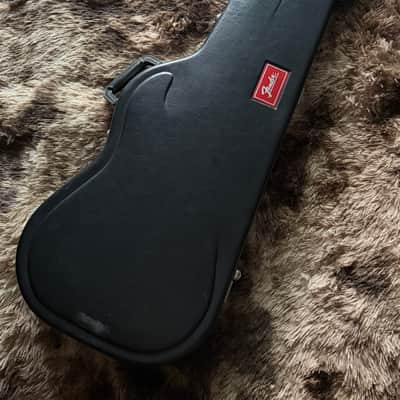
'90s Fender Strat / Tele Red Logo Vintage Hard Case
View on Reverbvery-goodGreat Deal
No Location
$165
+ $49 shipping
1d ago
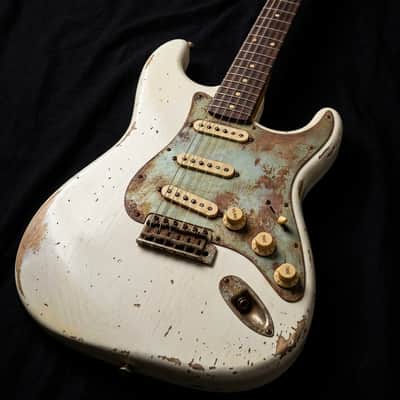
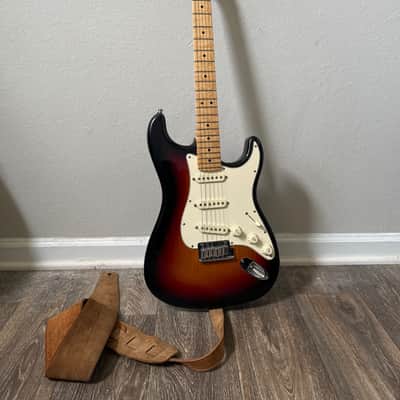
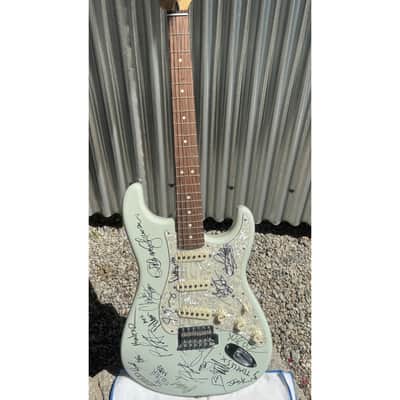
The Fender Stratocaster is probably the most recognizable electric guitar ever made. Introduced in 1954, it pioneered the contoured body, three-pickup layout, and synchronized tremolo system that countless guitars have borrowed from since. On the used market, Strats span an enormous range — from $150 Squier-era imports to five-figure vintage specimens. The sheer volume of Stratocasters that have been produced over seven decades means there's almost always one available at any price point, which makes it a great guitar to buy used.
Solid body, double cutaway
Bright, articulate cleans with glassy highs; versatile across genres
Jimi Hendrix, Eric Clapton, John Mayer, David Gilmour
Prices vary based on year, condition, modifications, and seller. This range represents the majority of used listings we track across multiple marketplaces.
Affiliate Disclosure: As an eBay Partner Network Affiliate, we earn from qualifying purchases. Treblemakers may also earn commissions from Reverb and other marketplace links. This doesn't affect the price you pay. Learn more
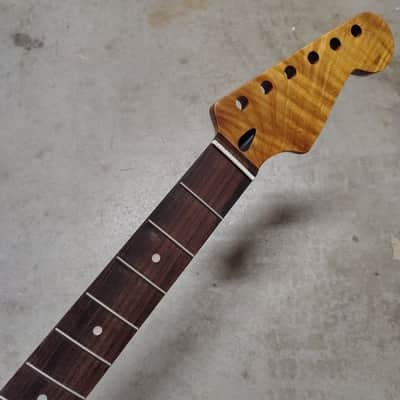
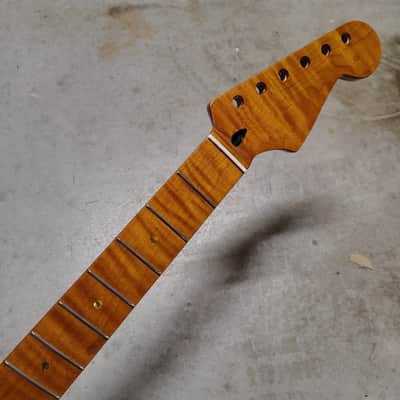



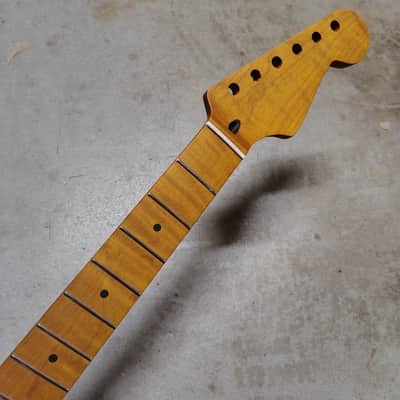
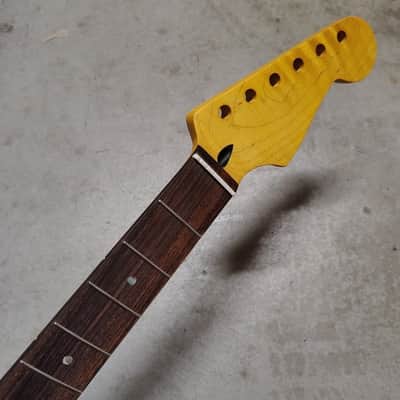
Fender serial numbers do not map cleanly to a single table — the system changed many times and ranges overlap. The guide below identifies the key production eras, where to find your serial, and what each era means for value.
| Variant | Years Produced | Serial Range | Key Identifiers | Avg Used Price |
|---|---|---|---|---|
| Pre-CBS (Original) | 1954–1965 | 0001–~110,000 (neck plate) | Serial on the neck plate (not headstock). Clay dot inlays (pre-1959), spaghetti Fender logo, single-ply pickguard (1954–1959). CBS acquired Fender in January 1965 — anything before that date is pre-CBS. | $8,000–$60,000+ |
| CBS Era | 1965–1984 | 100,000–700,000+ (plate), then S/E-prefix headstock | Large "CBS" headstock from 1966. Three-bolt neck (1971–1983) with "Micro-Tilt" adjuster. Bullet truss rod. Quality is debated — late-CBS (1977–1984) improved significantly. Serials moved to headstock ~1976 with S-prefix. | $800–$5,000 |
| American Standard / Series | 1987–2019 | E/N/Z/US-prefix headstock | Four-bolt neck returned. American Standard (1987–2000): E/N prefix. American Series (2000–2007): Z-prefix. American Standard reissued (2008–2016). American Professional (2017–2019). All USA-made; consistent quality. | $700–$1,800 |
| Made in Mexico (MIM) | 1991–present | MN + 6 digits (1990s–2000s), MX + 6 digits (2000s+) | Standard Series (1991–2017): good value, USA pickups swapped by many owners. Player Series (2018+): meaningfully improved pickups and hardware. "Made in Mexico" on back of headstock. | $200–$800 |
| Made in Japan (MIJ/CIJ) | 1982–present | JV, SQ, E, A–I, V, O, P, Q, R, S series (year-coded) | Fuji-gen built 1982–1997; Tokai/Dyna built from 1997. JV and SQ (1982–1984) are frequently considered better than CBS-era American Fenders. "Crafted in Japan" or "Made in Japan" on headstock. Often overlooked on the used market. | $400–$2,000 |
Pre-1976 Fenders: the serial number is on the neck plate (the chrome plate where the neck bolts to the body). From ~1976 onward, the serial moved to the back of the headstock. Fender serial ranges overlap significantly between years — a serial alone does not pinpoint a year precisely. For accurate dating, cross-reference the serial with the neck date stamp (visible when the neck is removed) and body date (under the pickguard near the neck pocket). Use the Fender serial number database at fender.com for official lookup.
Want the full breakdown? Read our complete Fender Stratocaster serial number & authentication guide →