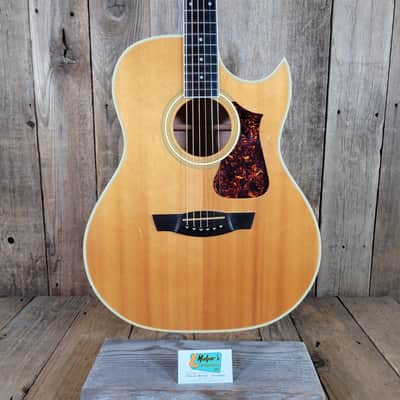
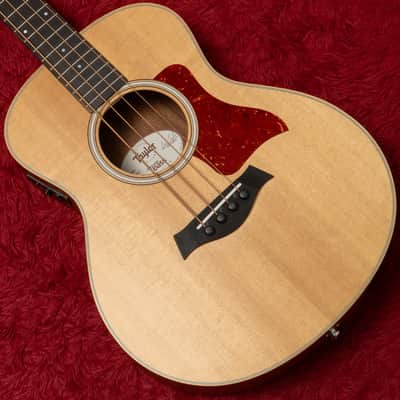
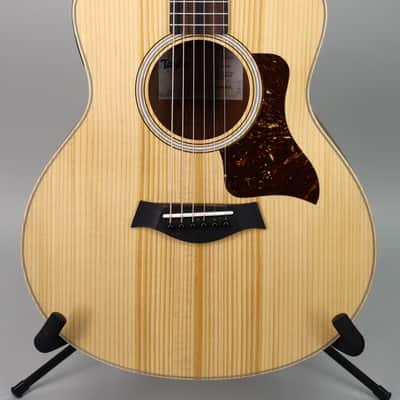
Martin and Taylor are the two biggest names in acoustic guitars, and they take fundamentally different approaches to guitar building. Understanding these differences helps you choose the right one for your playing style.
Martin guitars have a warm, complex, vintage-inspired tone. They use traditional X-bracing, dovetail neck joints, and time-tested tonewood combinations. Martins tend to "open up" with age — a 20-year-old Martin often sounds better than a new one. The trade-off: Martins sometimes need more setup work and the necks can shift over decades.
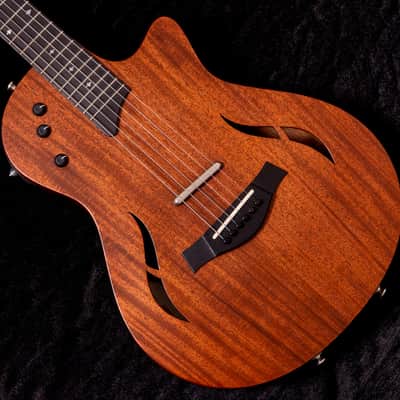
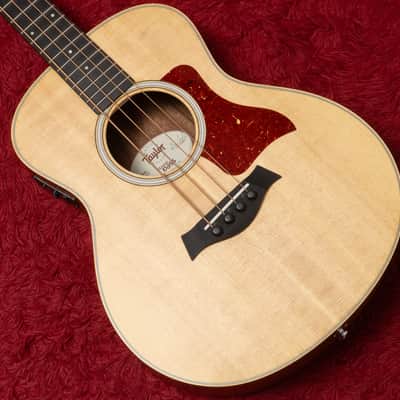
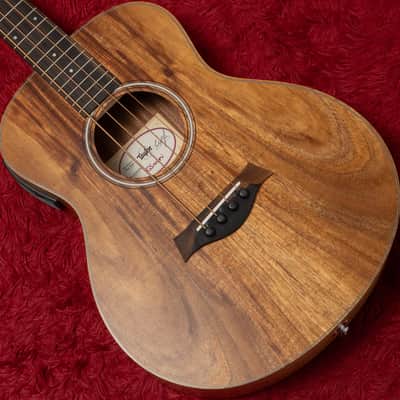
Taylor guitars have a bright, articulate, modern tone. They use their patented V-Class bracing, bolt-on neck joints, and UV-cured finishes. Taylors are incredibly consistent — every one plays well right out of the case. The bolt-on neck makes setup and repair easy. Taylor's Expression System electronics are among the best in the industry.
For strumming and bluegrass, Martin dreadnoughts (D-28, D-18) are the traditional choice. For fingerpicking, recording, and plugged-in performance, Taylor's Grand Auditorium (214ce, 314ce) excels. For singer-songwriters, it comes down to personal preference.
Value-wise, Martins hold resale value better due to brand heritage and collector demand. Taylors depreciate slightly more but offer more consistent quality and easier maintenance.